How Will Brands Evolve in the Age of AI? #2 Speaking About the Essence of a Brand With Responsibility
2026.01.26
In recent years, the importance of corporate purpose has been growing. This trend reflects a rising awareness that fulfilling a social mission—rather than merely pursuing profit—enhances a company’s sustainability and competitiveness. For companies, putting purpose into practice not only strengthens brand credibility but also directly contributes to greater employee motivation and long-term growth. This article highlights how purpose can be effectively implemented and the value it brings to an organization. In this feature, we showcase a case study from i-PRO Co., Ltd., which became independent from Panasonic in 2019.
Practical Case Studies of Purposes
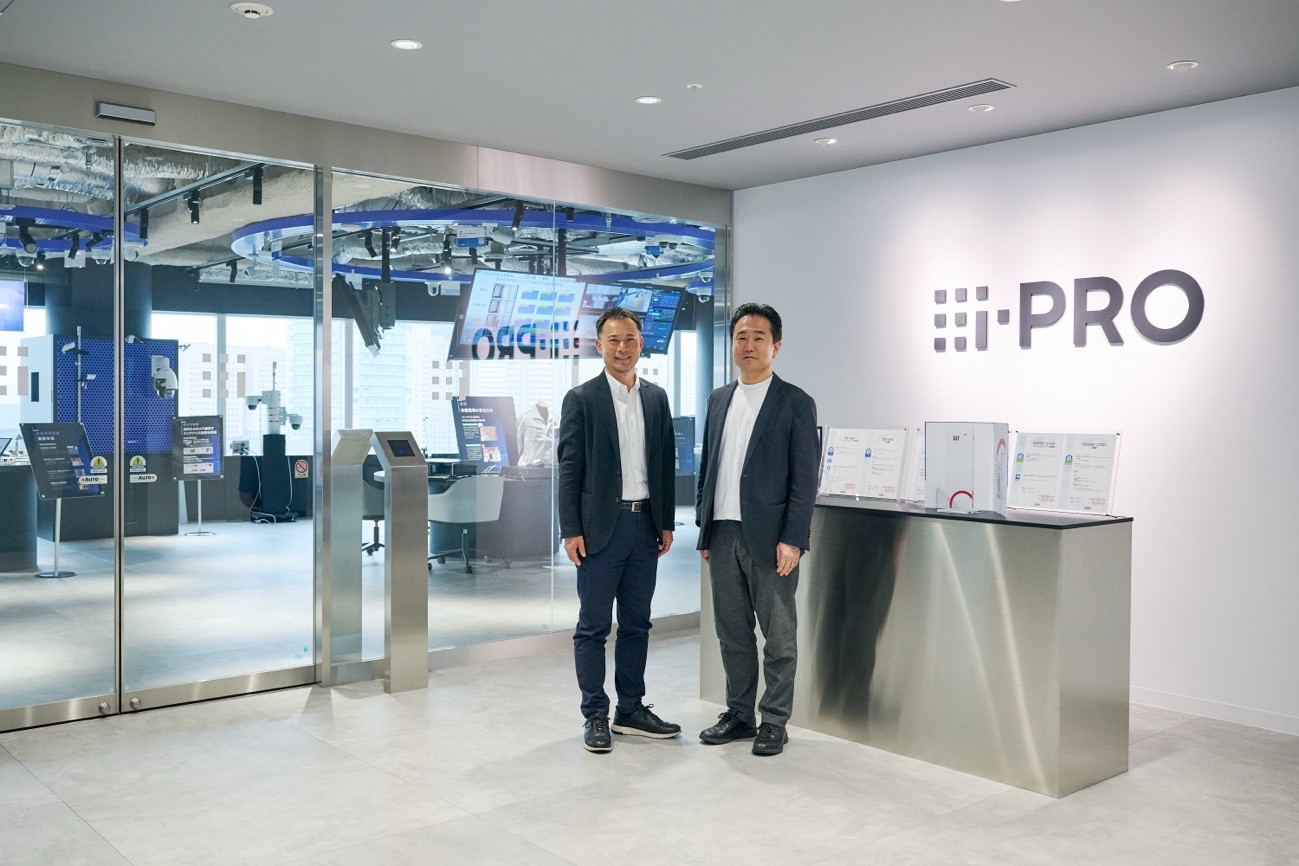
―― Could you tell us about your current business situation since introducing your Purpose?
Asahina: We founded the company in October 2019 and introduced our Purpose in 2020, so it has now been over five years. Although we faced some challenging times during the COVID-19 pandemic, we successfully navigated those difficulties and have been steadily growing ever since.
Our core business lies in video security, with a primary focus on security cameras. This market continues to expand year by year, and according to external forecasts, it is expected to grow by 60% over the next five years. We aim to capitalize on this momentum and drive further growth - especially in international markets.
Looking ahead, our goal is to become a company that earns recognition from partners, investors, and the broader public.
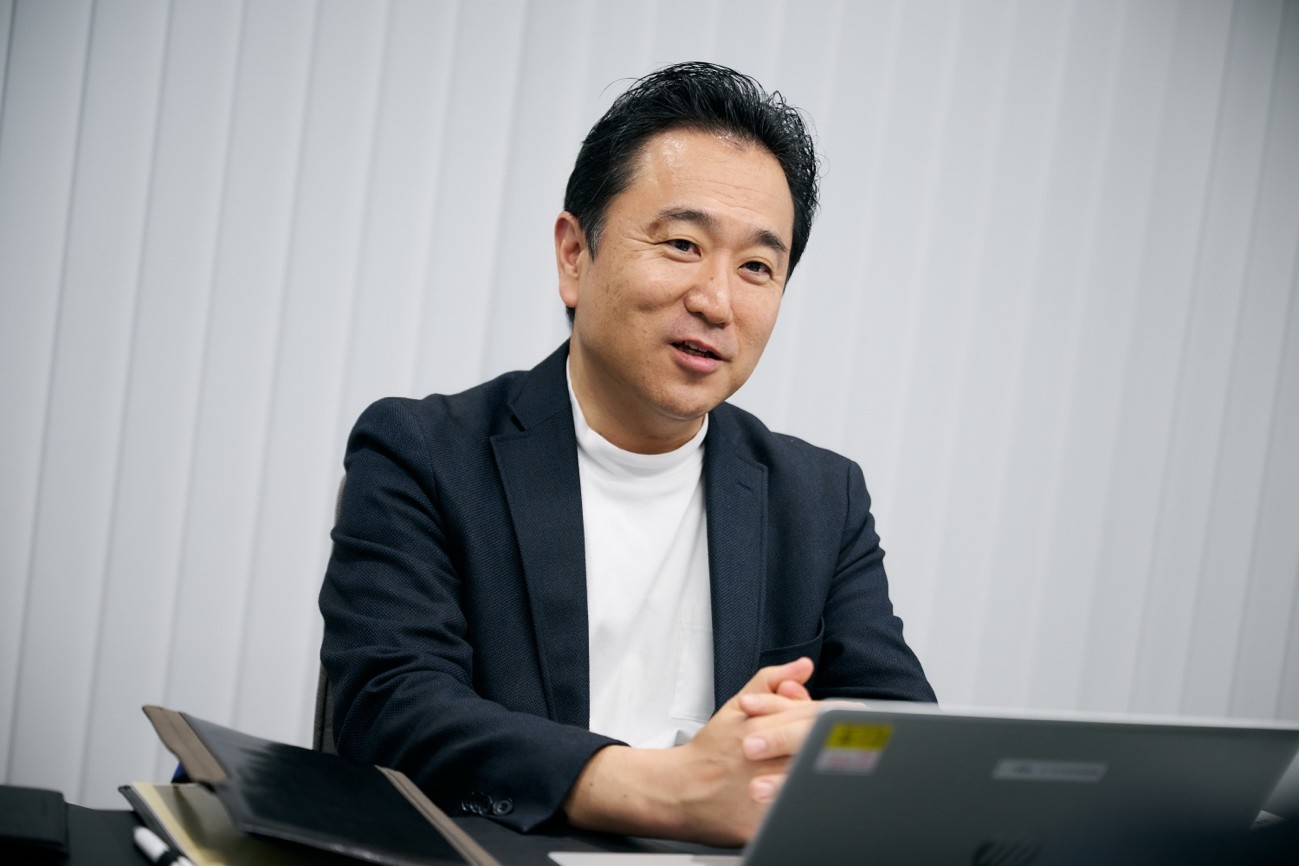
―― Looking back, what were the motivations and concerns that led you to introduce your company’s Purpose?
Asahina: At the time, one division of Panasonic became an independent company, and many members felt a sense of uncertainty about stepping out from under the Panasonic umbrella. However, from a more optimistic perspective, we saw it as an opportunity to build a new company from the ground up.
We asked ourselves: What kind of company do we want to create? How do we want to present ourselves to the world? As we explored these questions with a forward-looking mindset, we realized that building a strong brand would be essential.
Our starting point was to establish a brand concept that everyone could truly relate to. We also set a policy to actively recruit and welcome new talent, aiming to boost morale and foster a positive culture. With support from our shareholders, we began this journey in collaboration with Gramco.
―― When we spoke with you, we were impressed by how motivated, optimistic, and forward-thinking your leadership team was—many of them had a strong entrepreneurial mindset. At the same time, it was clear you were genuinely concerned about the uncertainty and anxiety among employees, which left a lasting impression.
Asahina: In the beginning, we held concept-building sessions with two groups: senior leadership and younger employees. We also conducted surveys, including input from our overseas offices.
It was a truly collaborative and inclusive process. I believe it was a unique and meaningful approach—involving everyone, while also incorporating the perspectives and aspirations of our international team members right through to the final stages.

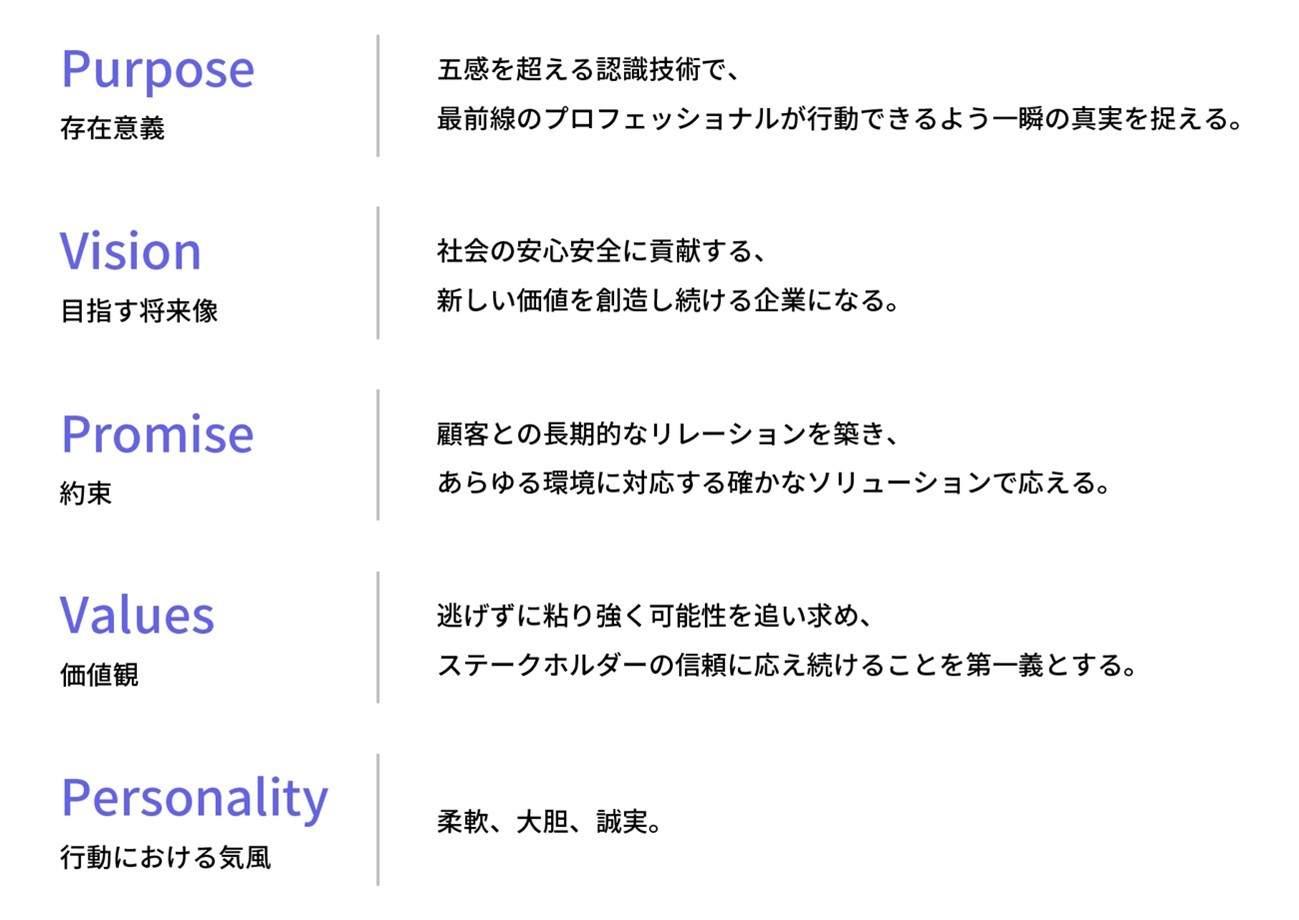
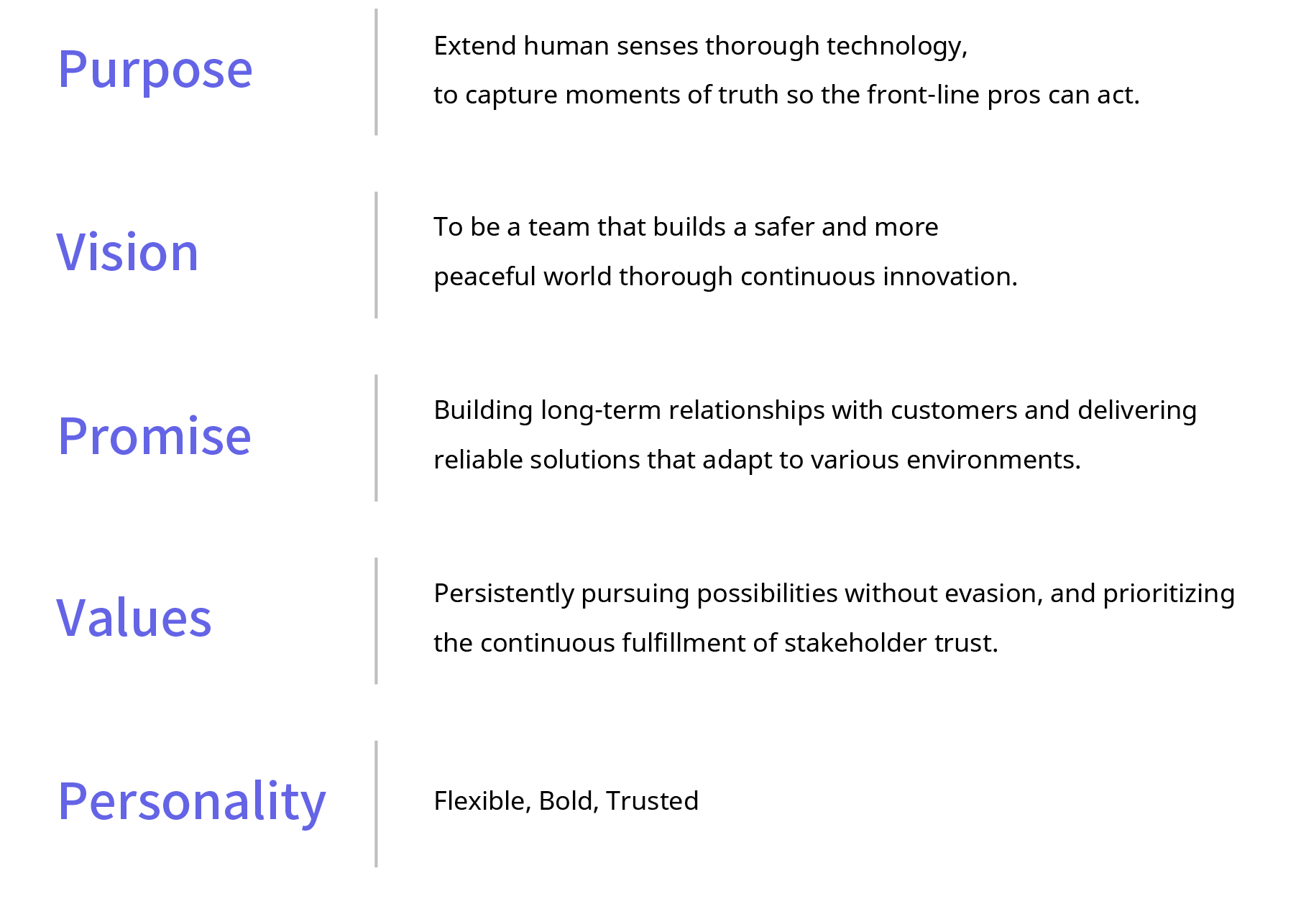
―― Over the past five years since launching your brand concept, including your purpose, what initiatives have you taken to ensure internal alignment and adoption?
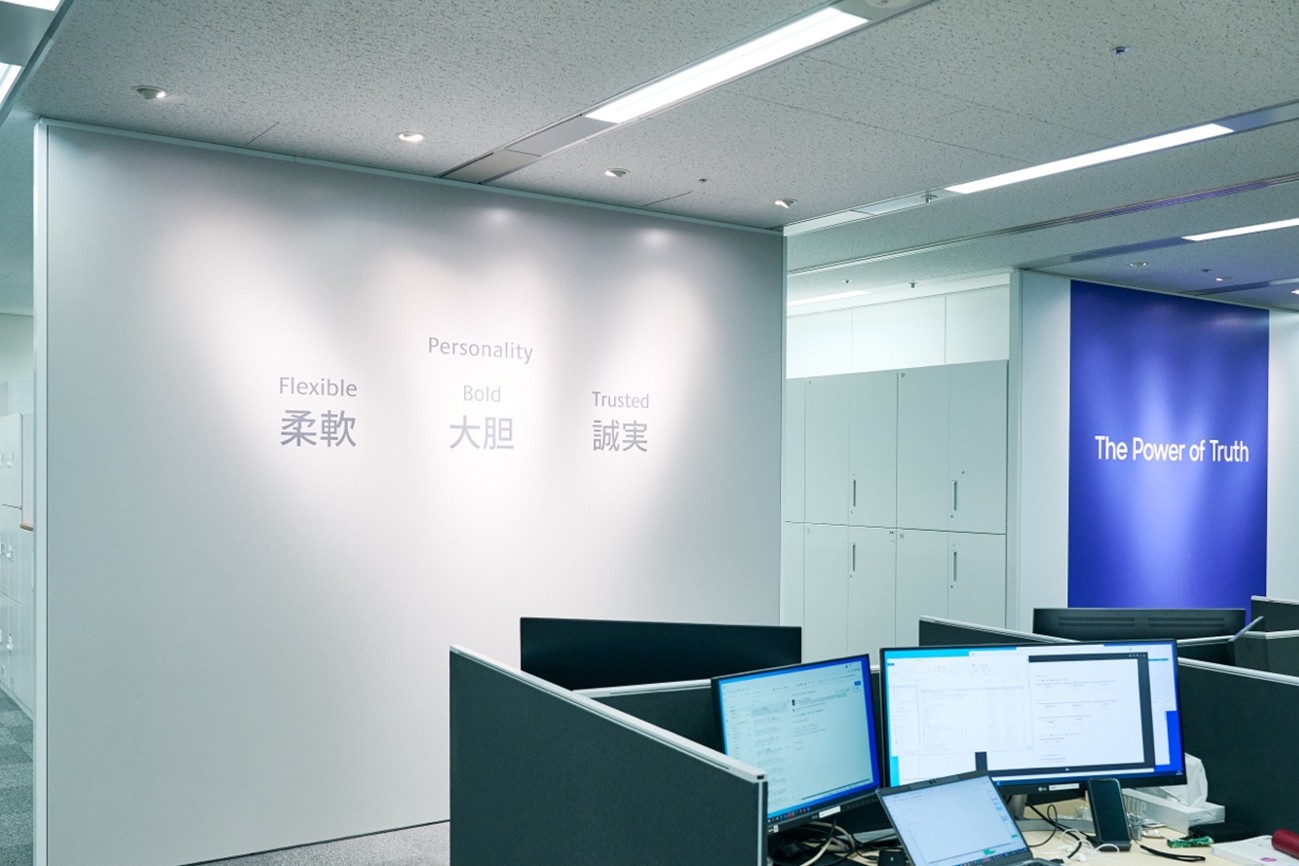
Asahina: We have implemented a variety of internal communication initiatives, primarily led by our HR team, including employee briefings and information sessions. One key reason our brand concept has taken strong root is that our brand personality—“Flexible, Bold, and Trusted”—is simple, intuitive, and easy for everyone to embrace.
The traits “Flexible” and “Bold” represent qualities we often aspired to during our time at Panasonic but were not always able to fully express. These traits indicate the direction we want to evolve as a company and have resonated deeply with both long-standing and newer employees.
The third trait, “Trusted,” reflects the craftsmanship spirit and social responsibility we inherited from our predecessors. It embodies our commitment to integrity, quality, and our broader role in society.
Our leadership team, including the CEO, has consistently emphasized the importance of these three traits in internal communications. They frequently come up in management discussions and strategic decision-making.
From an HR standpoint, we have translated Flexibility, Boldness, and Trust into more concrete behaviors, which are now incorporated into our performance evaluation system. This helps ensure that daily actions and decisions align with i-PRO’s brand identity.
What matters most is continuous reinforcement. These traits are not just slogans; they are actively integrated into everyday operations. In my department alone, more than 30 mid-career professionals have joined over the past few years. Some have even remarked that the company feels like a startup—a sharp contrast to the culture we had at Panasonic. From the outset, I aimed to foster a venture-like culture that enables bold, transformative growth. Having a clearly defined language to communicate this culture has played a crucial role in shaping our new corporate identity.

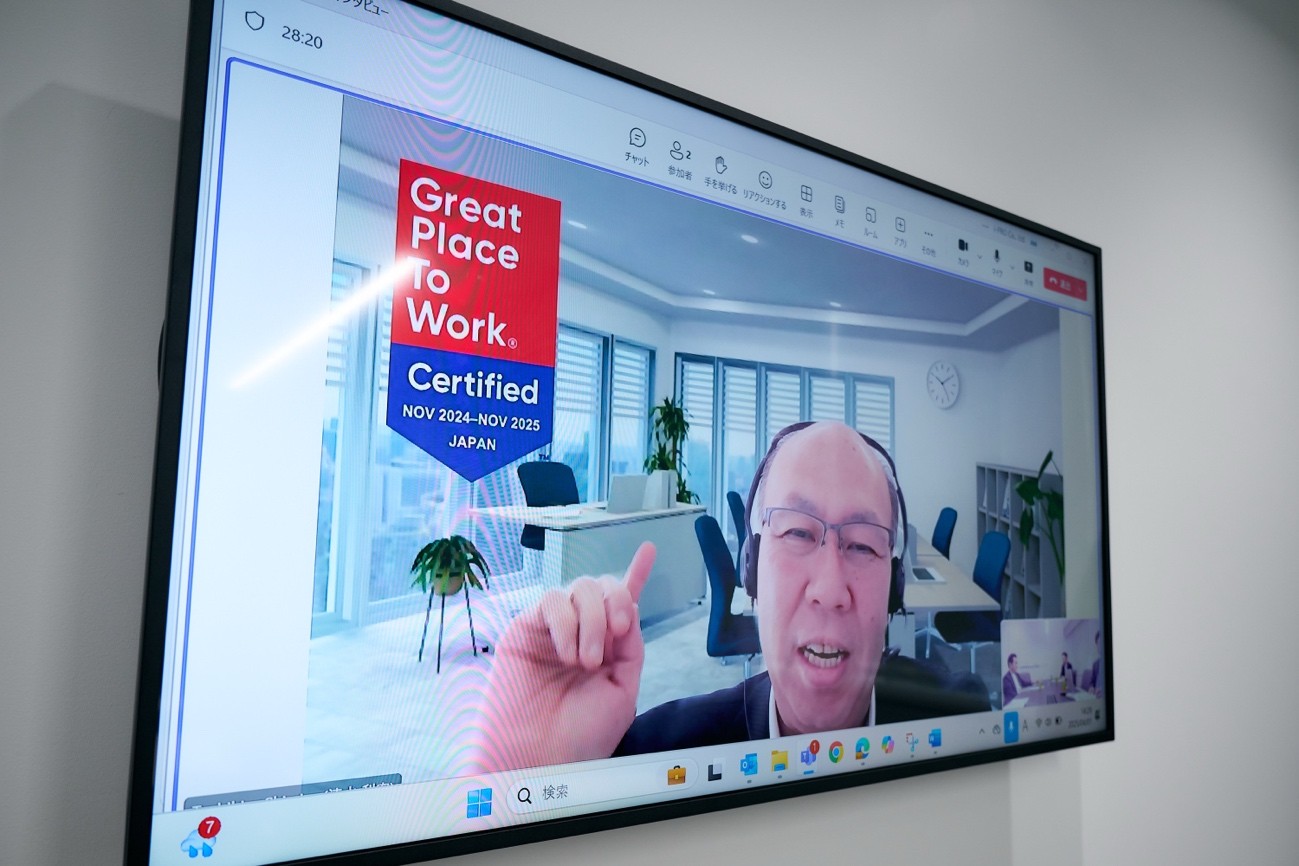
Shimizu: Since becoming independent, we have conducted an annual employee satisfaction survey in Japan. As part of this survey, we ask employees to describe our company and organizational culture in their own words. We also include a question about whether they feel they are acting more in line with our core personality traits—“Flexible, Bold, and Trusted”—compared to the previous year.
Interestingly, despite being an open-ended question, flexibility, boldness, and trust consistently rank among the most frequently mentioned descriptors of our culture. We see this as a strong indication that employees not only understand the importance of these traits but are actively embodying them in their day-to-day work.
Furthermore, the percentage of respondents who say they are behaving more in alignment with these traits has steadily increased year after year. While this may sound somewhat abstract, we believe it reflects a growing self-awareness and personal commitment among employees to evolve and improve continuously. From our perspective, this deepening awareness is directly contributing to the positive trends we see in the survey results.
―― What initiatives are you implementing based on your purpose?
Asahina: Our business concept, “Power of Truth,” forms the foundation of our mission—to provide advanced sensing solutions.
Shimizu: Our purpose is reflected in our innovative products, designed to be “useful to the world” and “useful to professionals.” These ideals are rooted in our business concept and permeate everything we do. I truly believe this spirit is embodied in the solutions we deliver.
Masumi: As the person responsible for PR, I actively communicate all five levels of our brand framework—from purpose to personality—at every opportunity. I especially believe that our purpose and vision statements capture the true essence of our business, so I always highlight them when introducing the company.
Internally, we operate as a global organization with diverse cultures, languages, and backgrounds. I believe sharing a common understanding of our brand concept helps unify us and enables us to work together as one cohesive team.
Asahina: Defining our purpose was a critical step in clarifying who our customers are. By aligning our internal understanding, we identified and focused on front-line professionals—the people we aim to support through product development, operations, and sales. I believe this alignment has played a vital role in embedding a consistent, company-wide view of our customer base.
―― What impact have you seen in recruitment and employee retention since introducing your purpose?
Shimizu: We actively incorporate our purpose into recruitment interviews, including discussions about the brand personality traits I mentioned earlier. Many candidates visit our website beforehand and come prepared with questions about our purpose.
A common theme among recent applicants is a strong focus on personal growth—they seek a company that aligns with their aspirations and offers opportunities to evolve.
In this context, alongside emphasizing our core traits—flexible, bold, and trusted—we also highlight our commitment to diversity and inclusion, fostering a culture where people can speak openly and be genuinely heard, even when conversations are difficult.
Asahina: Talent acquisition is truly the lifeblood of our business, especially as we continue to scale. Since becoming independent, we’ve prioritized strengthening our hiring efforts both globally and in Japan.
In today’s highly competitive recruitment environment, our purpose and brand personality serve as powerful communication tools. They provide a clear and compelling expression of who we are, which has been invaluable in attracting the right talent.
―― Could you tell us about your business and social contribution activities that are based on or inspired by your purpose?
Masumi: Our brand concept—including our purpose—serve as guiding principles for both our business decisions and social contribution activities.
In particular, our promise represents our commitment not only to our customers but also to society as a whole. We strive to provide innovative, high-quality products with integrity while fulfilling our responsibilities as conscientious corporate citizens.
In 2023, we joined the United Nations Global Compact, pledging to uphold its 10 Principles covering human rights, labor, the environment, and anti-corruption. In line with this commitment, we have developed i-PRO’s own policies on environmental sustainability, human rights, and labor practices, and are actively implementing various initiatives based on these policies.
As part of our environmental efforts, we are promoting the use of plastic-free and plastic-reduced packaging materials. Specifically, we have begun transitioning from polyethylene foam cushioning to corrugated cardboard, achieving approximately 80% reduction in plastic use compared to previous packaging methods.
While this new packaging currently applies to only a few product models, we plan to expand its use to more models moving forward.
Asahina: To add to the topic of packaging, we have also designed cardboard packaging that allows for pre-kitting a large number of cameras with minimal handling. These packages feature an opening that enables the cameras to be connected to the network during the pre-shipment adjustment process—without the need to unpack them. We continually think flexibly and strive to create solutions that genuinely benefit our customers.
―― How does purpose influence your management's business decisions?
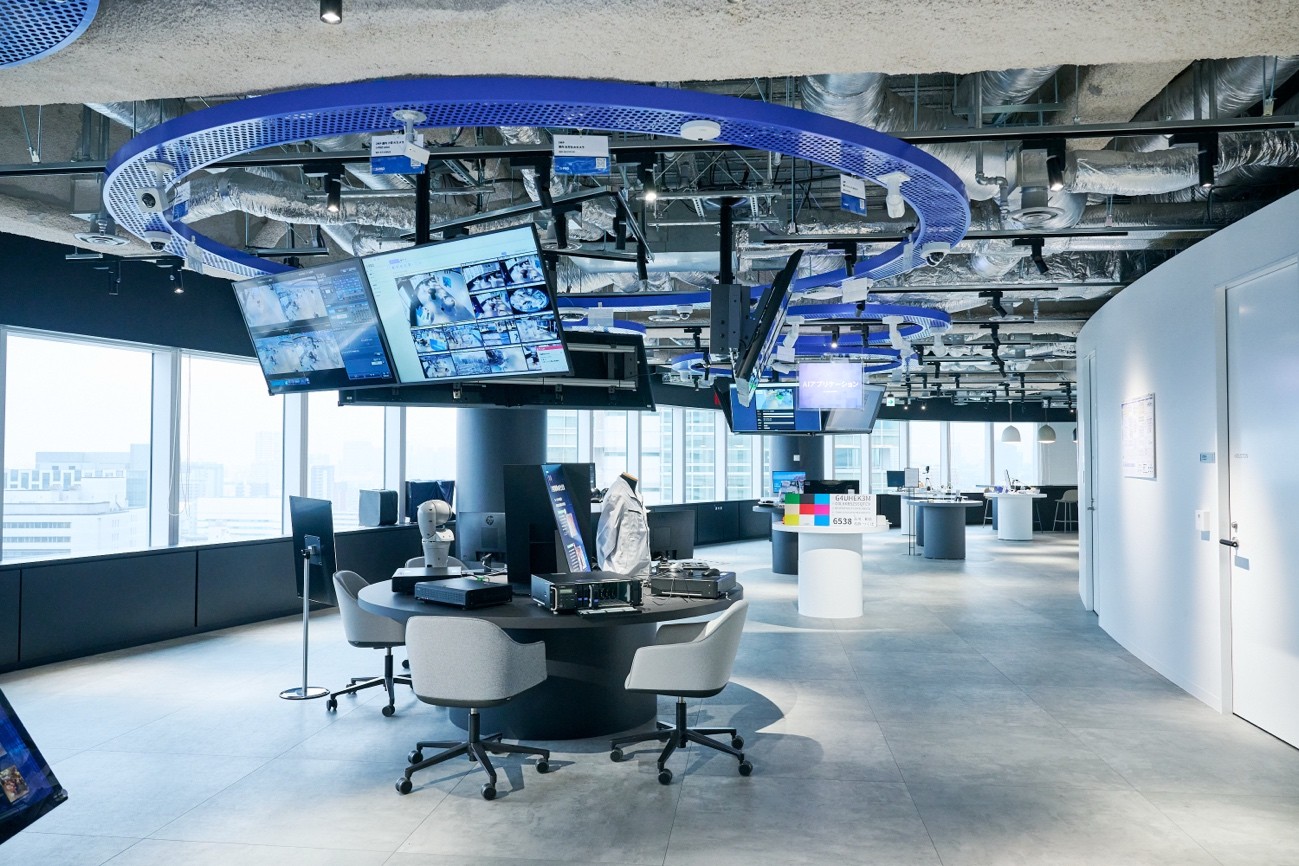
Asahina: Our purpose clearly defines our raison d’être as delivering value through sensing technology, especially for front-line professionals, with a focus on edge AI cameras. With this guiding principle, we are actively expanding our business in this rapidly growing area.
For example, we launched an initiative called moduca, which enables the integration of AI camera components—not just fully finished cameras—into other devices and equipment, making it easier to launch AI camera services
We are also focusing on developing new markets within Japan, including launching and continuously expanding edge AI-powered cloud services and products. I genuinely feel that our management’s focus and boldness in decision-making have evolved significantly.
―― What do you think has been achieved through branding centered on purpose?
Asahina: One of our greatest achievements has been the ability to clearly articulate and align internal understanding around three key questions: Who are we? Who are our customers? What value do we provide? This clarity has been crucial in helping others understand who we are as a newly independent company.
I also believe our brand personality traits serve as a guiding compass for behavior within the organization. They define the conduct we expect, the actions we value, and the priorities we hold as a company. I often find myself reflecting, “This feels a bit inflexible,” or “We should be bolder here”—and that ongoing self-awareness is invaluable.
―― Lastly, please share your vision for the future and your upcoming goals.
Asahina: With the rapid advancement of technologies such as AI and cloud computing—both in Japan and globally—we aim to establish ourselves as a premium tech brand, leveraging our core strengths in video and AI technology.
There are many areas where technology can enhance convenience and address societal challenges—such as crime prevention, productivity improvement, and even contributions in healthcare. Our goal is to deliver edge AI and video solutions to these critical fields.
At the same time, the spread of AI raises important ethical considerations—not only for users of technology but also for the companies that develop and provide it.
We aspire to be a global leader in this industry, not only through technological excellence but also by championing AI ethics and responsible innovation.
―― Thank you very much for your time and thoughtful insights.
Interviewees:
Mr. Jun Asahina - Senior Vice President, Security Japan, i-PRO
Mr. Toshihiro Shimizu - Vice President, HR, i-PRO
Ms. Akiko Masumi - PR, Corporate Planning & Communication, i-PRO
Interviewer:
Mr. Joe Yano, Gramco
2026.01.26
Gramco Insights 09
2026.01.13
Gramco Insights 08
2025.12.08